


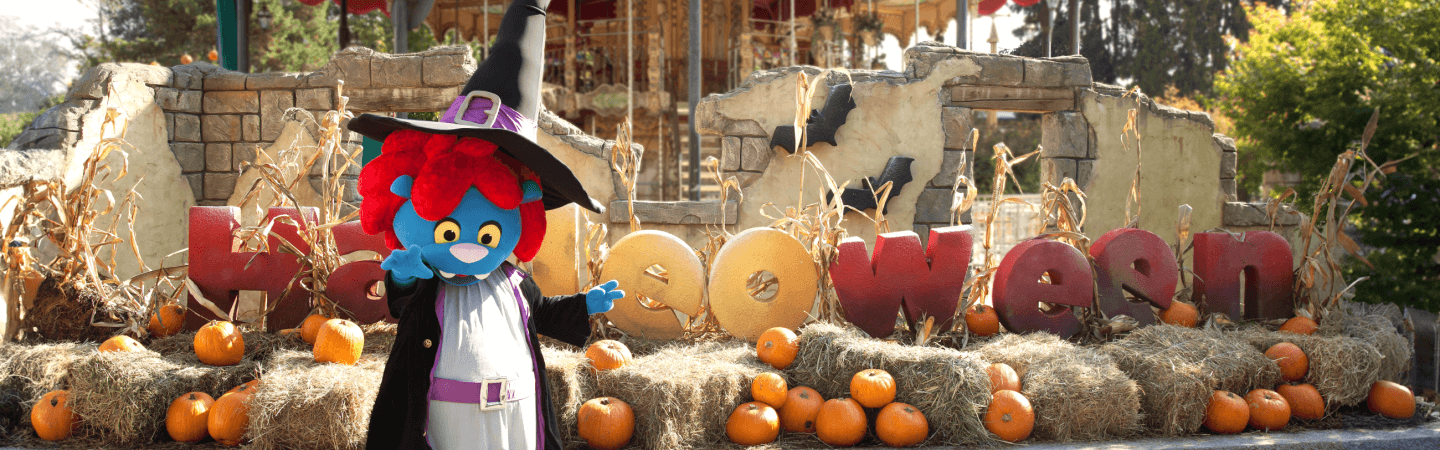
Halloween for Kids: History, Traditions and “Sweet” (Not Scary) Activities
In brief: Halloween can be a fun and engaging celebration even for younger children, without the need to frighten them.
This guide explains the origins of Halloween in a child-friendly way, explores its most famous symbols and suggests creative activities and games designed for families.
- Origins: Halloween comes from an ancient Celtic festival linked to the changing of the seasons.
- Symbols explained to children: pumpkins, ghosts and witches; each one has a story to tell.
- Activities and games: decorations, treats, treasure hunts and themed creative workshops.
- How to choose a family-friendly event: look for events designed for families with young children.

Where Does Halloween Come From? The Origins Explained to Children
Halloween did not begin as a scary celebration. Its origins date back to Samhain, a celebration observed by the ancient Celts who lived in the British Isles more than 2,000 years ago. For them, October 31 marked the boundary between the warm season (summer) and the cold season (winter). According to tradition, on that night the boundary between the world of the living and the world of the dead became thinner.
So, it was not something to be afraid of, but rather a special time of year. With the arrival of the Middle Ages and Christianity, the celebration evolved, blending with the celebrations of All Saints' Day (November 1) and All Souls' Day (November 2). The name Halloween comes from "All Hallows' Eve", meaning the eve of All Saints' Day.
How can you explain it to children? Keep it simple: "Long ago, people celebrated the change of seasons with lights, fires and costumes to say goodbye to the summer that was ending."
Halloween Symbols Explained to Children
Halloween's traditional symbols all have a story to tell:
- The carved pumpkin (Jack-o'-lantern): it comes from an old Irish legend about a man named Jack who tricked the devil. Originally, carved turnips were used; the pumpkin is an American variation.
- The little ghost: the most "harmless" symbol of the celebration, traditionally represented by a white sheet used to scare people. For young children, a friendly ghost is often a gentle introduction to Halloween without anything frightening.
- The witch: its origins are linked to female figures associated with knowledge of herbs and nature in the Middle Ages. The "wicked witch" seen in movies is far removed from the historical reality.
- The bat: a symbol of the night and the unknown, but in reality bats eat insects and are helpful animals.
- Trick-or-treating: an American tradition that became popular in the 1950s, inspired by ancient customs of offering food to spirits or people in disguise.

Halloween Activities for Kids (Without the Scares)
Here are the Halloween activities that work best with young children, without the scary element:
- Pumpkin carving: for older children (with adult supervision); drawing and painting pumpkins for younger children
- Themed decorations: tissue paper ghosts, cardboard spiders and autumn leaf garlands
- Making themed treats: pumpkin-shaped cookies, muffins with witch faces and hot chocolate with "ghost" marshmallows
- Night-time treasure hunt (in the dark with a flashlight): inspired by Halloween night, with themed clues
- "Costume" photo album: choose a fun (not scary) costume and create a family keepsake
Halloween Games for Young Children
- Ring toss onto pumpkins: a skill game using pumpkins and cardboard rings
- Ghost toss: white balls to throw into decorated cups
- Shadow theater: use a flashlight and your hands to create animal or witch shapes on the wall
- Halloween-themed memory game: pairs of themed images, such as pumpkins, ghosts and stars

How to Choose a Halloween Event Suitable for Children
If you want to take your children to a family-friendly Halloween event, here are a few things to check beforehand:
- Is it suitable for young children as well as older kids?
- Are there any scary elements (haunted houses, loud sounds, masked actors)?
- Does the event take place during the day or in the evening?
- Are there hands-on activities for children, rather than just themed decorations?
If you want to enjoy a Halloween-themed celebration with your family, check the Leolandia events calendar and opening days during the autumn season. You can also find information about the latest news and what to bring when visiting with children. You can purchase tickets directly from the events page.
Frequently Asked Questions (FAQ)
It depends on the type of event. For children under 4, choose daytime events with a festive but non-scary atmosphere. From around 5–6 years old, children often start to enjoy "playing with fear" in a healthy way, but always check whether there are genuinely scary elements, such as haunted houses or actors in costume.
Look for events with an afternoon program and no strongly frightening elements. Theme parks often organize family-friendly Halloween celebrations, with festive rather than horror-themed decorations.
A costume (comfortable and warm for the evening), band-aids and a hygiene kit, a change of clothes, and a camera to capture the costumes. If it is an evening event, a flashlight is always useful.
With the right precautions, yes. For children under 5, it is best to accompany them from house to house in a familiar neighborhood, in small groups, with one adult for every 2–3 children. Always check the treats before giving them to your children. Many parents prefer organized indoor parties at schools, shopping centers or parks, where the environment is more controlled and safe.
At age 3, the boundary between reality and imagination is still very thin. Talk about Halloween as a celebration of costumes and treats rather than witches or monsters. If your child sees scary decorations, reassure them: "It's just a game, like when we pretend." Choose fun, colorful costumes, avoid realistic masks, and keep the day light and playful.
Other posts you may be interested in.

Choose the offer you prefer
-
-

Fixed-Date Tickets
Double the fun with Fixed-Date Tickets!
-
-

Open Date Tickets
Choose when to visit Leolandia!
-
-

Park + Hotel
Give your family a unique and extraordinary vacation!