


Children's Shows: How to Choose an Age-Appropriate Live Event
In brief: Not all children's shows are the same, and not all of them are suitable for every age group.
This guide helps you choose the right event based on your child's age, the duration, the type of stimuli offered, and how to turn the show into a complete experience.
- By age: children under 4 need short, colorful, and interactive shows.
- Duration: more than 45–60 minutes without a break is too long for children under 6.
- Stimuli and fears: loud sounds, darkness, and masked characters can frighten younger children.
- Before and after: preparing the child and discussing the experience afterwards increases the value of the show.

Choosing based on age: the differences that really matter
The first question to ask when looking for a children's show is not "what is on the schedule?" but "how old is my child?". The answer changes everything.
- 2–3 years old: short shows (15–20 minutes), with familiar music, bright colors, and recognizable characters. Audience interaction is essential: children should be able to move, respond, and participate.
- 4–6 years old: children can follow a simple storyline. They enjoy visual humor, surprises, and costumes. The duration can reach 30–40 minutes with a well-paced structure.
- 7–10 years old: more complex plots, technology (special lighting, stage design), and moments of suspense. They can also enjoy more structured theatre, circus performances, and short musicals.
Duration and schedules: the child's biological clock
Duration is one of the most underestimated factors when choosing a family show. Here are some guidelines:
- Under 4 years old: maximum 15–20 minutes without a break
- 4–6 years old: 30–40 minutes is ideal
- 6+ years old: one hour or an hour and a half can be manageable if the show is dynamic
The time of day matters as much as the duration. Mid-morning or early afternoon shows usually work best.

What to bring to a live show with children
- A quiet snack if the show is long and the child gets hungry
- Noise-cancelling headphones for children who are particularly sensitive to loud sounds
- A comfort item (stuffed animal, toy) for younger children
How to turn a show into a complete experience
The show itself may last one hour. The experience can last for days if you manage it well:
- Before: tell your child what they will see and show them promotional photos/videos; anticipation increases enjoyment
- During: sit close by and maintain physical contact if the child feels excited or nervous
- After: ask what they liked most, bring the characters back into playtime, and draw a scene from the show together
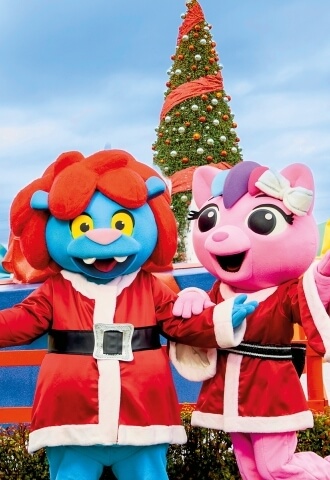
If you are looking for children's shows in a broader setting, where the show is part of a full day of experiences, Leolandia offers live shows throughout the season, which can be viewed on the children's shows page. You can check the calendar and opening days to choose the best date, and discover all the rides and attractions for children and teenagers available during your visit. Before leaving, take a look at the services for parents.
Frequently Asked Questions (FAQ)
It depends on the type of show. For interactive, colorful, and short performances, even children from the age of 2 can enjoy them. For more structured theatre shows or musicals, ages 5–6 and up are generally more suitable.
If the show requires a ticket, book at least one week in advance, especially for weekend performances. Also consider travel and arrival times: arriving late to a show with young children can make the experience much more complicated.
Choose interactive shows in familiar environments rather than large theatres with darkness and loud sounds. Explain in advance what will happen, show them pictures or videos, and sit near the exit for the very first shows: having a psychological escape route helps the child feel safe.
Shows for children aged 2 to 6 generally last between 15 and 40 minutes, without an interval. This duration is designed around younger children's attention spans. For children aged 6 and older, shows can last 60–75 minutes. Before booking, always check the stated duration: it helps you understand whether it is suitable for your child's age and patience level.
Talk to them about what they will see in a simple and concrete way: there will be actors, lights, music, and perhaps some louder moments. Explain that they can laugh, clap, and get excited, but they do not have to participate if they do not want to. Avoid setting expectations too high: the first time is often about discovery. Arrive a few minutes early to allow them to get comfortable before the show begins.
Other posts you may be interested in.


Choose the offer you prefer
-
-

Fixed-Date Tickets
Double the fun with Fixed-Date Tickets!
-
-

Open Date Tickets
Choose when to visit Leolandia!
-

-

Park + Hotel
Give your family a unique and extraordinary vacation!