



Experiential Gifts for Kids: Ideas, Benefits and Tips for Choosing the Right One
In a nutshell: Experiential gifts for kids are about moments, not things: a special day, a new activity or an adventure to enjoy together.
In this guide, discover why experiential gifts can be more rewarding than toys, how to choose them based on age, and which ideas are most popular with children (and parents).
- What experiential gifts are and why their memories last longer
- Practical ideas for every age group (2–12 years)
- How to choose the right experience
- How to present an experiential gift in a way that makes it feel magical from the very start

What Are Experiential Gifts for Kids?
An experiential gift is something to do, not to own. It's not a toy that will end up forgotten in a corner after three weeks. It's a day at a theme park, a pottery class, an afternoon spent among the stars at a planetarium, or a weekend exploring somewhere new. It's time spent with someone you love, in a setting that's different from the everyday routine.
Psychological research confirms what many parents intuitively know: experiences create deeper memories than material possessions. Children may forget what they received for Christmas two years ago, but they'll remember "that time we went..." because the emotion becomes part of who they are.
Why Experiential Gifts Are Better Than Toys
They Last a Lifetime
A toy breaks, gets lost or becomes outdated. A memory doesn't. The day spent together, the excitement of trying something new, the story you still tell years later… these are the real "possessions" a child carries with them.
They Don't Create Clutter
Many family homes are filled with toys that have only been played with once. Experiential gifts don't take up physical space, don't break and don't need to be thrown away when a child moves on to something else.
They Strengthen Bonds
Many experiential gifts are enjoyed together with parents, grandparents or a special friend. This turns the gift into quality time spent together, which is probably the most precious thing an adult can give a child.
They Encourage Growth and Learning
A creative workshop, a visit to an interactive museum or a day at an adventure park: every experience is an opportunity to learn something new, develop skills and discover new passions.

Experiential Gift Ideas for Every Age
For Children Aged 2 to 4
- A day at a family theme park: rides designed for little ones, cartoon characters and shows
- A children's cooking workshop: kneading dough, decorating cookies or making pizza
- A visit to an educational farm: petting animals, collecting eggs and enjoying open spaces
- A morning at a swimming pool with a baby area: water always feels magical
For Children Aged 5 to 8
- A martial arts or dance class: a trial lesson in a new activity
- An experience at an interactive or science museum: a place to touch, experiment and discover
- A day at an adventure park: zip lines, treetop courses and climbing
- A painting or pottery workshop: they can take home something they've made with their own hands
For Children Aged 9 to 12
- A photography course: seeing the world through a lens can be a real eye-opener
- A family escape room: challenges, teamwork and adrenaline
- A short trip to a new city: even a weekend away from home can be an adventure
- A concert or theatre show: the first time at the theatre or a live concert is unforgettable
How to Choose the Right Experiential Gift
Not every experience is right for every child. Here are a few questions to help you choose:
- What are they passionate about right now? Trains, dinosaurs, music, football? Start there.
- Is it an experience just for them or one to share? Some experiences are even more enjoyable when shared with a trusted adult or the whole family.
- What's their tolerance for stimulation? A sensitive child may feel overwhelmed by a crowded theme park, while a more energetic child may need plenty of movement and hands-on activities.
- Is it suitable for their age? Always check age restrictions for physical activities and adventure parks.

How to Present an Experiential Gift
Unwrapping a gift is part of the experience. With an experiential gift, the "present" itself isn't visible, but you can still make the moment just as exciting:
- Create an illustrated card featuring the experience to come
- Fill a box with "clues": items that evoke the place or activity, such as a note, a postcard or an accessory
- Let your child discover the surprise: ask "Guess what we're going to do together!" and then reveal the surprise
- Set a date straight away: anticipation is part of the gift, but it should be something tangible
Leolandia as an Experiential Gift
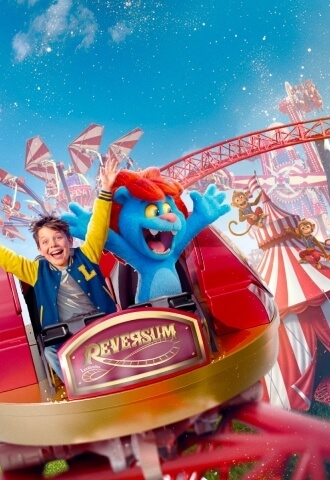
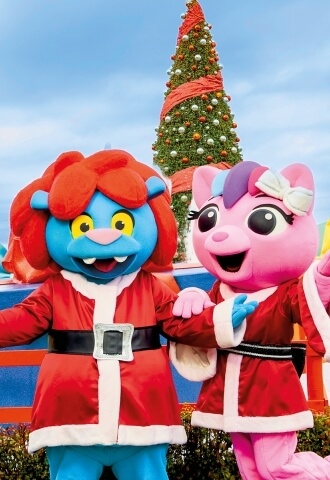
A day at Leolandia is an experiential gift in every sense: a whole adventure designed for children aged 0 to 12, with rides, shows, cartoon characters and spaces tailored to both little explorers and older kids.
It's a gift you can plan together, look forward to with excitement and talk about for weeks. Check the opening calendar to choose your date, explore the prices and available options, and read the visitor guide to plan ahead. To make the day even more special, take a look at the family services and the rides and attractions for children and older kids.
If you want to give your child something they'll remember forever, an experience is worth a thousand toys. Leolandia is the perfect place to create that lasting memory: explore all the options in the events calendar and plan your special day.
Frequently Asked Questions (FAQs)
Children as young as 2 can enjoy and remember meaningful experiences, especially when shared with an adult. Naturally, the type of experience changes with age: for younger children, sensory and immediate activities work best, while older kids can enjoy more elaborate and engaging experiences.
Pay attention to their current interests: what they watch, what they talk about and what they play with. Choosing an experience that matches their passions is key. If you're not sure, opt for something flexible and versatile, such as a day at a theme park, that caters to different personalities.
Not necessarily. Many experiences are affordable considering the value they offer, and some are even free. The value doesn't depend on the price, but on how thoughtfully the experience is chosen and enjoyed.
Focus on the excitement: "You can't unwrap it, but you can look forward to it. Soon, we'll go together to..." Then briefly describe what you'll do and why you chose it for them. Even young children can understand the message, especially when it's accompanied by a drawing or a photo of the place.
Yes, and they're often a practical solution for birthdays and other special occasions. Instead of receiving lots of small items, the child gets one meaningful experience: a trip, a class or a special day funded by several people. Simply coordinate in advance, agree on a shared budget and choose an experience that truly reflects the child's interests.
Choose the offer you prefer
-
-

Fixed-Date Tickets
Double the fun with Fixed-Date Tickets!
-

-

Park + Hotel
Give your family a unique and extraordinary vacation!