


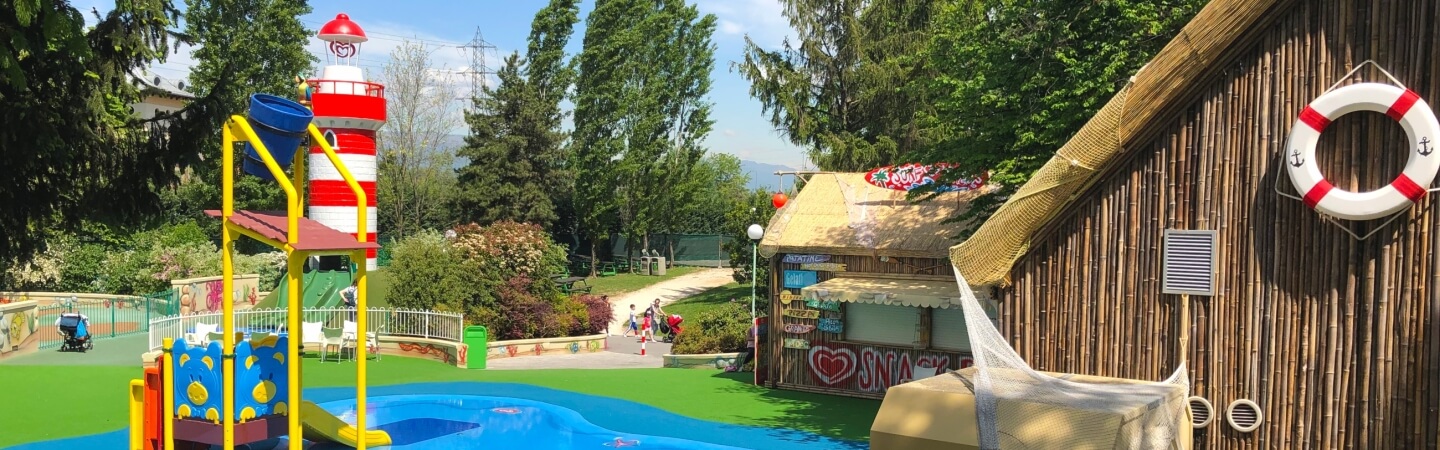
Day trip with kids: How to plan it and choose the right destination (Northern Italy)
In brief: Planning a day trip with kids requires answering four key questions: How much time do I have? How old are the children? What's the weather like? What's the budget?
This guide helps you build your own decision-making framework, without having to scroll through endless lists of destinations.
- Available time: half a day, a full day, or a weekend trip make all the difference.
- Age and needs: a 2-year-old and an 8-year-old won't enjoy the same itinerary.
- Weather and a backup plan: having an indoor alternative can save the day.
- Budget: consider admission fees, transportation, meals, and unexpected expenses.

How Much Time Do You Have? The Variable That Changes Everything
The first filter when choosing a day trip with kids isn't the destination—it's the time you have available. How many hours can you dedicate to the trip? The answer dramatically narrows your options and makes the decision much easier.
- 2–3 hours: Choose a destination within a 30-minute drive. A playground, a lake, a nearby village, or an urban nature park. Keep it simple and avoid overplanning.
- Half a day (4–5 hours): You can travel up to 45–60 minutes. A gentle hike, a family-friendly farm, an interactive museum, or an adventure park for older children are all great options.
- Full day: Destinations within 60–90 minutes become realistic. Think theme parks, kid-friendly art cities, or a lake with a beach.
- Weekend: The possibilities expand considerably. A theme park with an overnight stay, a charming town to explore, or a trip to the mountains or the seaside.
Age and Needs: The Most Important Filter
The second key factor is your children's age. A day trip with a 2-year-old requires a completely different approach than one with an 8-year-old.
- 0–3 years: Keep it short, close, and flexible. Young children follow their own schedule (naps, meals, diaper changes) regardless of your plans. Choose destinations with open spaces, shade, and places to sit.
- 3–6 years: Focus on sensory and magical experiences. Family farms, themed parks, and creative workshops are excellent choices. Since they tire easily, plan for an afternoon break.
- 6–10 years: They have greater stamina and curiosity. Longer walks, mildly adventurous attractions, interactive museums, and adventure trails become much more enjoyable.
- Mixed ages (children of different ages): Look for destinations with a variety of activities. Theme parks offering attractions for multiple age groups are often the best choice.

Weather and a Backup Plan: The Mistake Everyone Makes
How many family day trips are ruined—or at least disrupted—by bad weather? Too many. The solution isn't waiting for the perfect day; it's always having a backup plan.
Before you leave, ask yourself: "What will we do if it rains tomorrow?" Here are a few possible answers:
- A museum or an indoor sports center nearby.
- An indoor activity already planned as an alternative, such as a movie theater, bowling, or a workshop.
- Reschedule the trip if you have a flexible booking.
If you're visiting a theme park, check in advance what happens in case of heavy rain. Many parks offer refund policies or allow you to reschedule your visit. Read the visitor guide for your chosen park to understand how weather-related disruptions are handled.
Budget: Calculate Everything Before You Leave
The cost of a family day trip is often higher than expected. Make sure you include the following expenses in your budget:
- Fuel or round-trip public transportation tickets.
- Parking fees (often underestimated).
- Admission tickets for both adults and children.
- Meals or snacks (restaurant or packed lunch?).
- Souvenirs or toys purchased on-site (set aside a small budget).
- Unexpected expenses.
A practical tip: buy your tickets online in advance. They're often cheaper and help you avoid long queues at the entrance. Also, check for special offers or season passes that could save you money.

Day Trip Checklist: What You Shouldn’t Forget
- Tickets or booking confirmation on your phone
- Full change of clothes for children
- Water and snacks
- Sunscreen and hats
- Light waterproof jacket
- Baby carrier for younger children
- Phone number of the park or facility in case of emergencies
If you're looking for a family-friendly destination in Northern Italy, consider :contentReference[oaicite:0]{index=0}: easily reachable from Milan, Bergamo, Brescia, and nearby regions, and also convenient for those arriving from farther away thanks to direct flights to Bergamo-Orio al Serio Airport.
Check the calendar and opening days, and explore the dedicated services for parents to enjoy a stress-free day. You can find all the rides and attractions for children and teenagers on the official website.
Frequently Asked Questions (FAQ)
There is no minimum age: with the right precautions, you can even go out with newborns. The main difference lies in the type of destination and the pace of the day. From around 2–3 years old, children start to actively enjoy and engage with experiences outside the home.
For a simple outing, 24–48 hours are usually enough. For destinations that require booking (theme parks, museums, educational farms), plan at least a week in advance, especially during peak weekends.
Distinguish between weather-dependent destinations (hikes, beaches, nature parks) and indoor or mixed options (museums, theme parks with indoor areas). Having both options ready, and checking refund or rescheduling policies, helps avoid unpleasant surprises.
For trips up to one hour, children usually manage well with simple verbal games (I spy, riddles, storytelling together). For longer journeys, prepare a small travel kit: pencils, a notebook, a book, headphones with music or audiobooks. Try to limit screens when possible; the journey itself can be part of the experience and stimulate imagination.
The budget varies greatly depending on the destination. A trip to a natural park or a nearby town can cost almost nothing, while a theme park or interactive museum requires a higher investment—generally justified by the experience and services included.
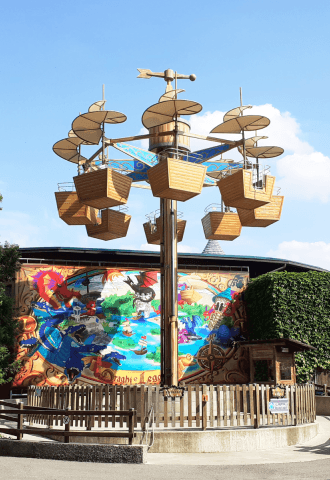

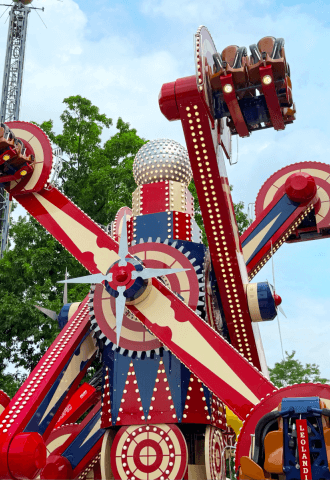
Choose the offer you prefer
-
-

Fixed-Date Tickets
Double the fun with Fixed-Date Tickets!
-
-

Open Date Tickets
Choose when to visit Leolandia!
-

-

Park + Hotel
Give your family a unique and extraordinary vacation!